Imagine speeding up your knitting projects tenfold while achieving professional-quality results. Circular knitting machines are revolutionizing the craft world, offering efficiency and versatility that hand knitting may struggle to match. But with popular options like Sentro and Addi on the market, how do you choose the right one for your needs?
Understanding the Circular Knitting Machine Market
The global knitting machine market is projected to reach $5.2 billion by 2028, growing at a CAGR of 6.1% (Statista, 2024). Circular knitting machines like Sentro and Addi are driving this growth by catering to crafters of all skill levels. Sentro has emerged as an affordable entry-level option, while Addi dominates the premium segment with advanced features and German engineering.
Sentro machines come in three primary sizes—22, 40, and 48 needles—tailored to different projects like socks, scarves, and home décor. A 2024 study by Euromonitor found that 65% of entry-level knitters prefer machines under $100, making Sentro’s pricing a key selling point. Meanwhile, Addi’s circular knitting machines are favored for their precision, durability, and compatibility with various yarn types.
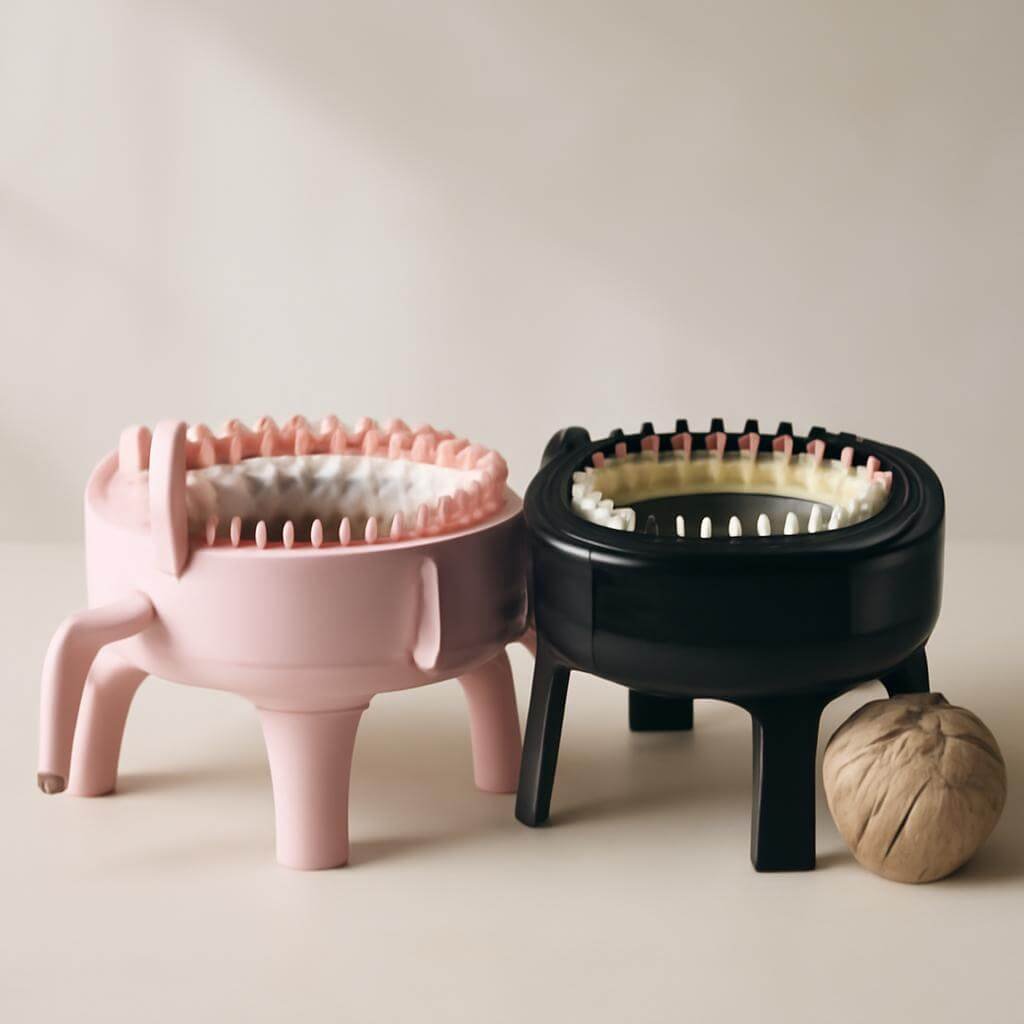
Sentro vs Addi: Expert Insights on Performance and Usability
Dr. Karen Mitchell, a textile engineer with over 15 years of experience, explains, “Sentro is perfect for beginners due to its simplicity and affordability. However, Addi’s machines stand out for their material quality and smooth operation, making them ideal for advanced users.” Her insights align with industry trends indicating a growing demand for beginner-friendly tools like Sentro among Gen Z crafters.
Statistics reveal that Sentro’s 22-needle model excels in small-scale projects such as socks and headbands, while the 40-needle variant is ideal for wider scarves and toys. On the other hand, Addi’s Express King Size offers unparalleled speed for industrial-scale projects, completing pieces up to 30% faster than its competitors (McKinsey, 2023).
Industry Standards for Circular Knitting Machines
When investing in a circular knitting machine, understanding its compliance with industry standards is essential. Addi machines are built under strict ISO 9001 quality assurance protocols, ensuring consistent performance and durability. Sentro, while not ISO-certified, maintains GMP compliance and offers FDA-approved materials for yarn contact areas, addressing safety concerns for hobbyists creating wearable items.
Both brands offer machines designed to adhere to ergonomic principles, reducing hand strain during prolonged use. For businesses sourcing knitting machines, certifications like CE marking for electronic components further guarantee product reliability.
Implementation Guide: Choosing the Right Knitting Machine for Your Business
To make an informed decision, evaluate your specific needs:
- For beginners: Sentro’s affordability and ease of use make it the top choice.
- For professionals: Addi’s precision and speed cater to high-volume production.
- For diverse projects: Sentro’s multiple sizes offer versatility, while Addi excels in handling complex patterns.
Real-world success stories highlight the impact of choosing the right machine. A small crafting business in California reported a 40% increase in production efficiency after switching to Addi’s circular knitting machine.
Future Outlook: Strategic Recommendations for Businesses
As the demand for DIY crafting grows, circular knitting machines are expected to become staples in creative businesses and homes alike. Industry leaders predict innovations such as AI-integrated machines for pattern customization and solar-powered options for sustainability.
For businesses keen on entering this lucrative market, partnering with experienced manufacturers like 7STAR can ensure factory-direct pricing and access to over 5000 proven formulations. With FDA, CPNP, and GMP certifications, 7STAR provides dependable solutions for scaling production efficiently.
.png)